

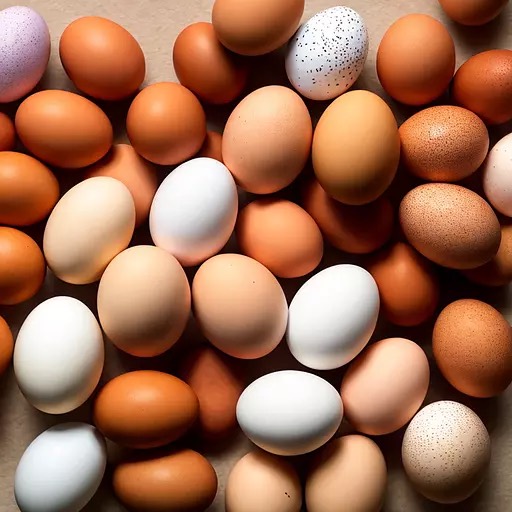
BBC coverage cited Taiwan government figures showing per capita consumption of 355 eggs a year, against daily demand of 120,000 cases (200 eggs per case). Since late last year, however, the laying hen flock has fallen by 4 million birds and daily output has dropped to 112,000 cases, leaving a shortfall of roughly 500,000 to 800,000 eggs a day.
Taiwan's egg shortage has four main causes:
- Avian influenza outbreaks: the global avian flu outbreak of 2022 left countries worldwide exposed to animal disease, disrupting both egg production and transport. In the first half of this year, avian flu combined with the usual winter drop in output left major supplying countries such as Japan short of eggs as well.
- Rising international commodity prices: the war in Ukraine pushed up global commodity prices, which in turn drove up chicken feed costs. With farming costs higher, egg prices rose - and Taiwan's long-standing habit of stockpiling ahead of an expected shortage meant some shops and households bought eggs in bulk to get ahead of further price rises.
- Tariff policy: with Taiwan's egg industry in a prolonged slump, the government cut egg tariffs to stimulate demand and competitiveness. That also unbalanced domestic and imported supply, particularly during peak periods such as Lunar New Year, the Lantern Festival and other holiday seasons.
- Poultry housing conditions: with limited land and a dense population, many henhouses in Taiwan have poor environmental and sanitary conditions - air and water pollution, feed waste and low feed quality. These problems affect not only living conditions and health safety inside the henhouse, but also consumer confidence in the quality and safety of the eggs that come out of it.
The shortage has hit consumers, restaurants and institutional caterers (group meal service providers) to differing degrees:
- Consumers: with limited egg supply to choose from, consumers struggle to find products that match their taste and budget - partly because the market lacks variety and innovation in egg products, and partly because it lacks reliable, reasonable pricing. The result is that consumers switch to substitutes or eat eggs less often.
- Restaurants: with limited egg supply to choose from, restaurants struggle to serve dishes that match their menus and customer demand - partly because the market lacks variety and innovation in dishes, and partly because the market lacks reliable, reasonable cost
The government has already put several measures in place:
- Through the Council of Agriculture (COA), securing an NT$34.4 billion budget from the Executive Yuan for a medium-term program to upgrade the egg industry - modernizing poultry housing and introducing automated production equipment.
- Running a special egg import program, buying foreign eggs to cover the domestic shortfall and selling them on to processors and grading-and-washing operators at domestic farmgate prices.
For consumers, the response has centered on substitutes and price relief: using other animal eggs, beans and nuts in place of chicken eggs; supplying ingredients and recipes so people can cook for themselves; and offering discounts and coupons to ease the cost burden.