

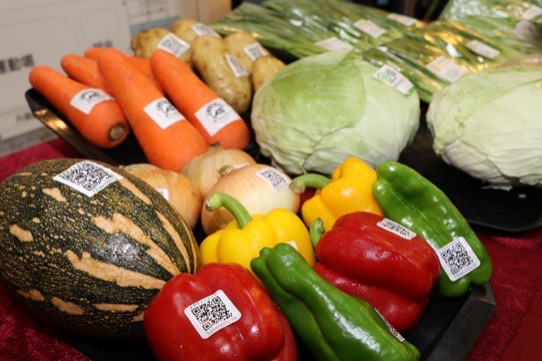
Ingredient traceability means being able to trace food through the entire chain from farm to consumer - producer, processor, transporter, retailer and consumer. The purpose is to secure food safety, quality and credible provenance, and to build consumer knowledge of and trust in what they eat.
Traceability Agriculture Products (TAP, 產銷履歷) certification is a voluntary agricultural product certification scheme established by the Council of Agriculture (COA) to support agricultural production and distribution. Producers log production data in the COA's TAP information system and submit to review and verification by a third-party certification body. Only certified products may carry the TAP label and make traceability claims, a claim protected in law and carrying obligations in return.
A traceable restaurant is one able to offer ingredient traceability to its customers. A traceable restaurant platform has to receive farmers' shipment data through the COA TAP information system, with the restaurant then confirming receipt. TAP's strict batch and volume management confirms which TAP-certified ingredients the restaurant uses and in what quantity. A traceable restaurant must also state clearly which dish on the menu uses which TAP-certified ingredient.
At a traceable restaurant, diners can scan a QR code before ordering and see when each ingredient arrived and where it came from, enjoying both good food and ingredient safety without cooking it themselves. It tells diners exactly what they are eating and builds trust in and support for producers and suppliers. That raises consumer awareness of food safety while supporting agricultural development and social wellbeing. A survey by the Association for Cross-disciplinary Development of Agriculture in Taiwan (AMOT, 台灣農業跨領域發展協會) found that as many as 80% of restaurants source TAP-certified or organic ingredients, and that most consumers say they are willing to pay more to support the practice. Traceable restaurants can also reduce waste and pollution while improving quality and efficiency.