

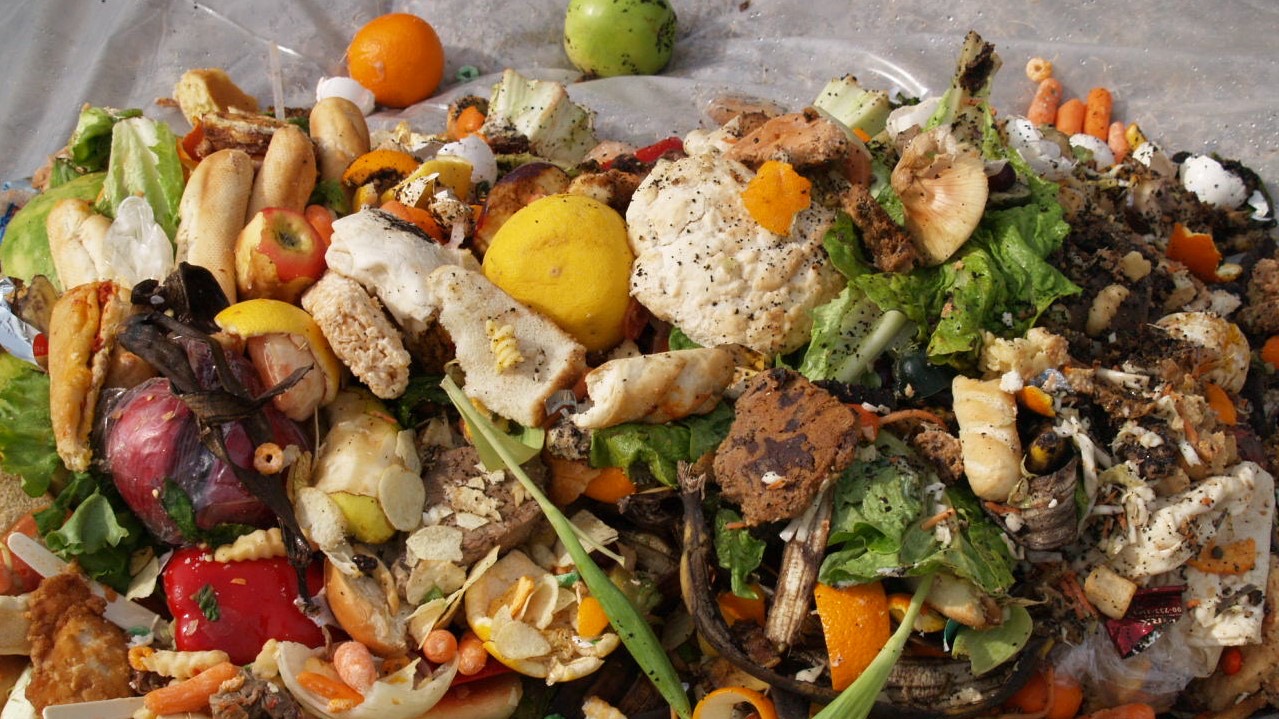
Food waste here means the food left uneaten at the end of a meal. It wastes food, and it affects the environment, public health and social wellbeing, which makes how we handle it a question worth taking seriously.
Food waste has been a problem in Taiwan for a long time, but it has drawn more attention and reflection in recent years. Figures from Taiwan's foodservice industry association (TAF, 台灣餐飲業協會) show that around 155 million kg of food was wasted in Taiwan in 2019, of which about 40% was food left on the plate. That means roughly 6 million kg of leftover food is thrown out or donated to charity each year.
Why is there so much? Three main reasons:
- Food culture: in Taiwan, people tend to eat a lot, eat fast and order generously. That culture makes over-ordering and waste easy to fall into.
- Eating behavior: people rarely stop to consider whether they actually need the food they have not finished. Some think they can manage a little more, or eat it later; some assume someone else will take it; some feel that leaving food is disrespectful to the chef or the supplier.
- Food management: many restaurants, shops and households lack both the capacity and the awareness to handle leftovers effectively. In many settings there is no proper arrangement for collecting, storing, redistributing or donating food, no choice or agency offered to customers, and no decent channel for communication and education.
There are several ways to act on this:
- Change behavior: start with how we treat leftovers. Pay closer attention to eating habits and avoid over-buying and over-eating. Learn to store and handle leftover food better, by refrigerating or freezing it, or turning it into something else, such as a soup or a stew.
- Improve food management: adjust how food is managed to generate less waste. Restaurants can widen the menu so customers can choose according to their appetite and taste, and offer smaller portions for different appetites.
- Surplus food restaurants: a newer business model where the kitchen works specifically with surplus ingredients to make good food. It reduces waste and serves customers well. Several surplus food restaurants are already operating in Taiwan and have been well received.
- The role of foodservice and institutional catering: both play an important part in reducing ingredient waste, through better food management, wider menu choice and smaller portions. They can also work with surplus food restaurants to turn leftover ingredients into finished dishes and cut waste further.
- Smart procurement: restaurants can use smart procurement systems to order ingredients against actual demand, shortening the time stock sits in storage and keeping ingredients fresher.
- Regular stocktaking: restaurants and caterers should count stock regularly and use ingredients nearest their expiry date first, to avoid waste.
Food waste and ingredient waste are a complex problem that has to be approached from several angles at once. We need to change our culture, our behavior and the way we manage food, and we need foodservice and institutional catering to take an active part. Only then can we cut food and ingredient waste meaningfully and build a more sustainable future.