

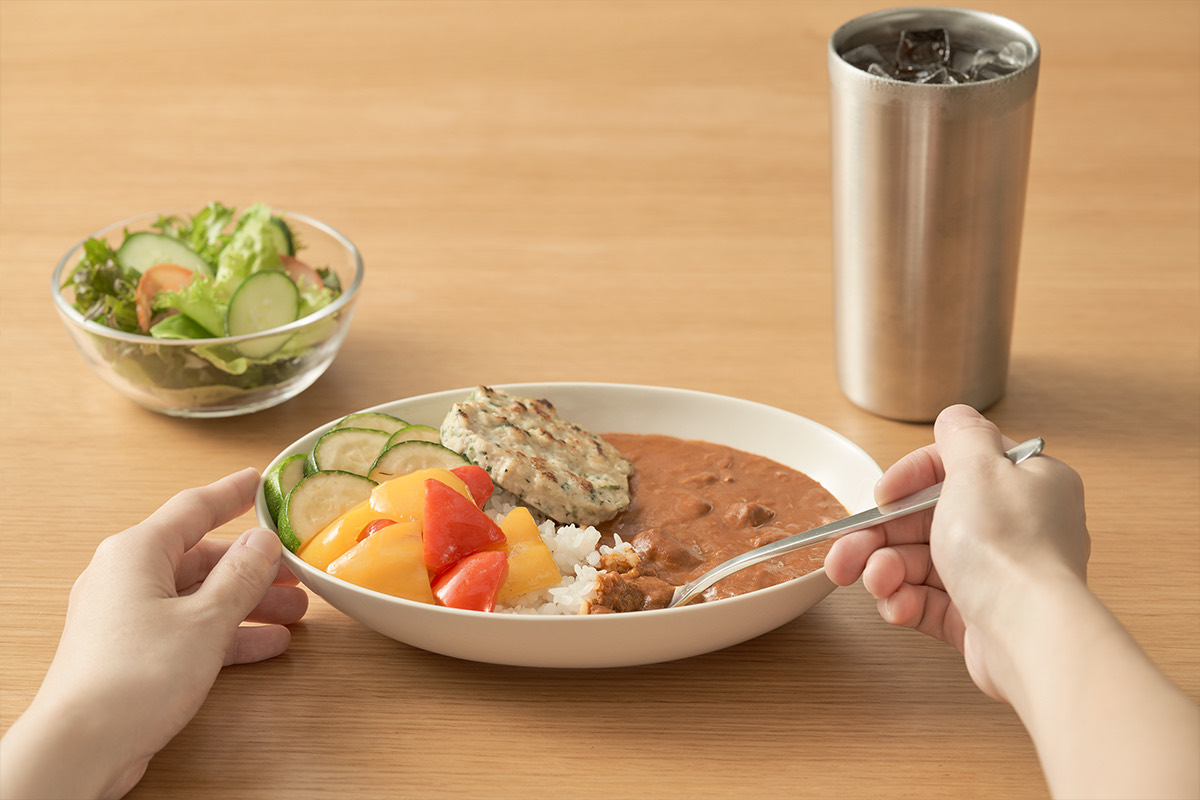
Prepared foods are ingredients that have been processed, cooked or made into finished dishes - pan-fried, stir-fried, deep-fried, boiled, steamed, roasted and so on. They add texture and flavor, and can deliver more nutritional and health value. Prepared foods in Taiwan go back a long way: people have been using fire and pots to process pork, chicken, eggs, beans and other raw materials since ancient times. As the years have passed, Taiwan's prepared foods have kept innovating and diversifying, from home-style small dishes to fine dining, from traditional favorites to modern creative cooking, all of it reflecting the Taiwanese imagination when it comes to food.
In foodservice, prepared foods are an important product line because they can meet a wide range of customer needs and tastes. Operators can choose a preparation method and style to suit their own concept and positioning. Some restaurants build the menu around instant noodles or soups, offering a choice of flavors and toppings; some build it around hot pot or steak, serving high-heat or low-temperature cooking; some build it around salads or small plates, offering something light or appetite-whetting. Whichever method and style, quality raw materials and technique are what keep the food good and safe.
When restaurants and institutional caterers work with prepared foods and retort pouches, the focus is on hygiene, quality and a varied range of dishes. The main points:
- Blast chilling of ingredients:
Blast chilling is a key step in preserving freshness and flavor, especially in institutional catering. It raises the hygiene standard, retains nutrients, and supports food that is both safer and more inventive.
- Making retort pouches, and the business opportunity:
Caterers and restaurants have moved actively into retort pouch production, which became a route to new business during the pandemic. The key considerations are the storage format - frozen, vacuum-packed or ambient - along with the applicable regulations and cooking technique.
- Hygiene standards for meal preparation premises:
Meal preparation premises, institutional caterers included, are held to strict food hygiene standards. Hot-held food must be kept at no less than 65°C, while boxed meal operators must hot-hold above 60°C and have a temperature indicator in place.
- The commercial opportunity in retort pouches:
Caterers are creating new business by making their own retort pouches. Doing so means paying attention to regulations and ingredient types, and thinking through how to market and sell these convenient, good-tasting home meal replacements.