

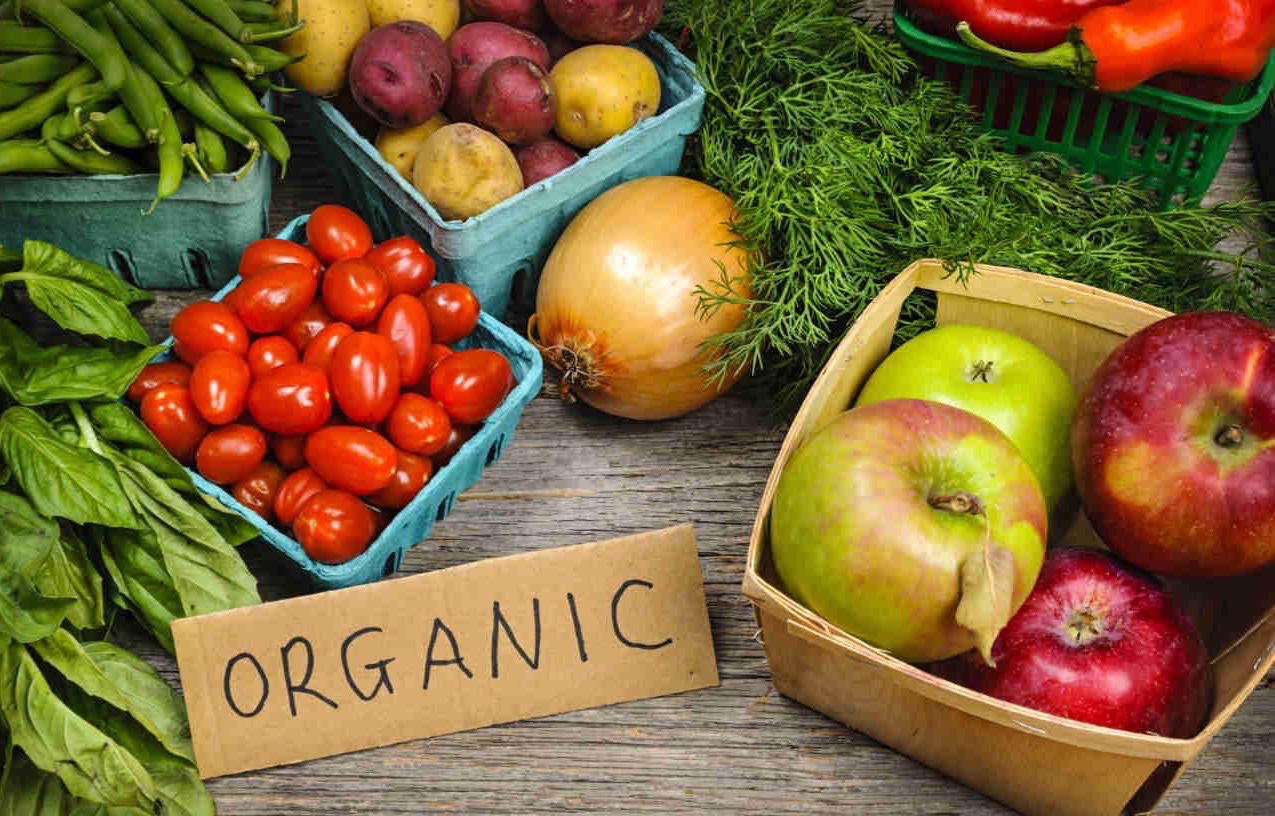
Organic ingredients are agricultural products that, through production, processing, packing and distribution, use no chemical fertilizers, chemical pesticides, genetically modified organisms or their derivatives, and that comply with the Organic Agriculture Promotion Act and its subsidiary regulations. They fall into categories including organic livestock, organic crops, organic aquatic products and organic processed goods.
To secure food safety and quality, the Taiwanese government applies a strict certification process to organic ingredients. There are currently 13 domestic certification bodies, plus one category of organic product certificate number approved by the Council of Agriculture, Executive Yuan. These bodies can certify different types of organic ingredients individually or as a group, with the Agriculture and Food Agency under the Council of Agriculture responsible for oversight and enforcement. Taiwan's organic certification system runs in four steps:
- Application: an individual or organization intending to produce or process organic ingredients applies to a designated certification body, submitting supporting material such as production plans, processing workflows and raw material sources.
- Review: the certification body reviews that documentation against the organic product certification and technical standards, then sends inspectors on site for field verification and sampling.
- Certification: based on the review and inspection results, the body decides whether to issue an organic product certificate, and publishes the outcome online for consumers to check.
- Surveillance: the body conducts periodic surveillance and follow-up on certificate holders, and takes enforcement action against violations.
In foodservice, organic ingredients give customers a healthier, greener and better-tasting option. Organic livestock reduces the risk of residues and antibiotic residues while maintaining animal welfare; organic crops reduce chemical fertilizer and pesticide use and preserve soil fertility; organic aquatic products reduce water consumption and pollution risk and support aquatic biodiversity; organic processed goods reduce fat and additive intake and raise nutritional value.
In institutional catering, organic ingredients open the way to meal combinations that are more distinctive, more creative and more educational. School lunches at the Experimental High School at Hsinchu Science Park, for instance, have been upgraded to use local specialty produce from the area around the school as their principal ingredients. That lets students eat more healthily and enjoy their food more, while learning about the different crops and flavors found across Taiwan.
Putting organic ingredients to work
How to use organic ingredients is a question of creativity and strategy, and different operators will approach it with different aims and methods. Broadly, the purpose falls into four areas:
- Healthier food: organic ingredients carry no chemical residues or antibiotic residues and contain more nutrients and antioxidants, which can help prevent and improve conditions such as cardiovascular disease, cancer and diabetes.
- Better-tasting food: organic ingredients have a richer natural flavor and aroma and hold their freshness and texture, adding to the eating experience.
- Greener food: producing and processing organic ingredients reduces the negative impact on natural resources and biodiversity and lowers greenhouse gas and pollutant emissions, protecting the environment and its ecosystems.
- More distinctive food: organic ingredients allow for more varied, more creative and more educational meal combinations, which attracts more customers and markets and strengthens an operator's competitiveness and image.