

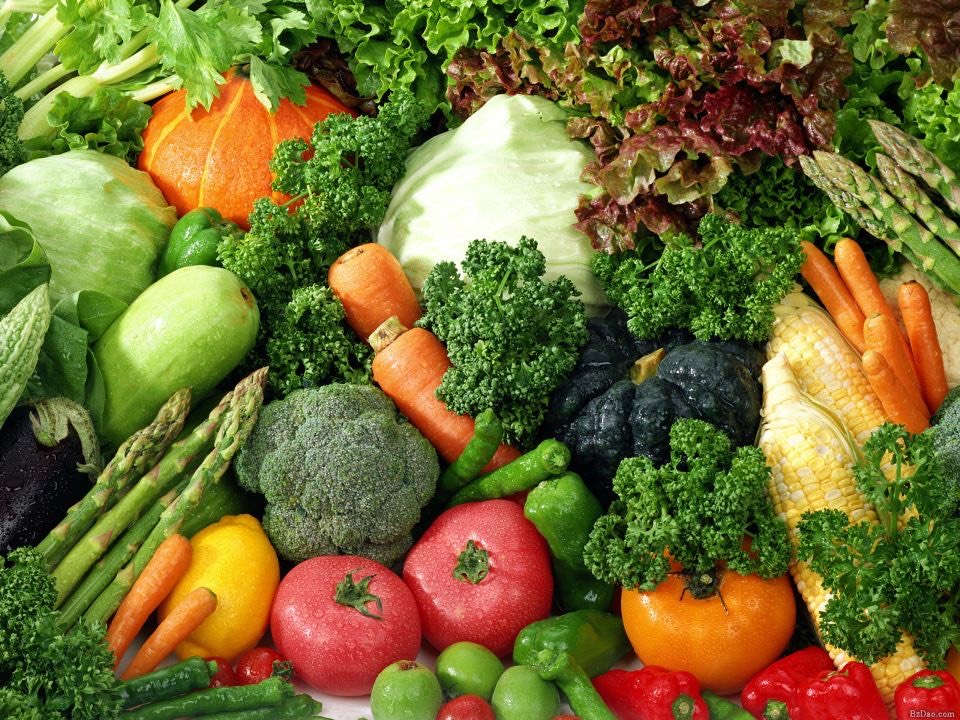
Food safety concerns everyone, and the COVID-19 pandemic has only made it more pressing. Yet many people have no idea where their food comes from, or whether it has passed rigorous inspection and management on the way from farm to restaurant and from field to table. If you want to eat safely and well, local ingredients are a good place to start.
So what counts as a local ingredient? Local ingredients are foods sourced from native or distinctive varieties grown domestically or close by. Taiwan has many traditional local specialties and seasonal fruits and vegetables - turnip cake, meatballs and strawberries among them. These foods stay fresher and offer more variety, while cutting the greenhouse gas emissions and waste that come with long-distance transport. Their popularity is driven by environmental awareness, a desire to support the local economy, growing food and farming education, and demand for quality and taste. Restaurants and institutional caterers can work toward using local ingredients by partnering with local suppliers, strengthening ingredient traceability systems, promoting food and farming education, and continuously innovating their menus.
What are the benefits of using local ingredients?
- Save time and money: local ingredients are usually in season and fresh, holding their quality and taste better than food shipped long distances. That meets consumer demand for flavor and health while cutting transport emissions.
- Keep it fresh: local ingredients retain their original flavor and nutrients, with no need for heavy preservatives or plastic wrap to hold freshness
- Support agriculture: buying local means directly supporting domestic or nearby farmers and suppliers, adding to their income and their confidence.
- Strengthen society and culture: local ingredients help consumers understand the character, customs and history of their own region or a nearby producing area, deepening trust in and support for producers and suppliers.
How do you actually move to local ingredients? Three steps to try:
- Check the source: look at whether the product label or seasoning packaging clearly states origin or variety name. You can also ask farmers or suppliers which native or distinctive varieties they use.
- Decide what to buy: choose native or distinctive varieties according to the flavors or styles you enjoy or want to try. If you like strawberries, for example, buy from a Taiwanese strawberry farm nearby.
- Work out the preparation: build dishes around your own taste and needs. Strawberries can go into desserts, juices and ice cream; other fruits, nuts and cream can be combined to create new textures