

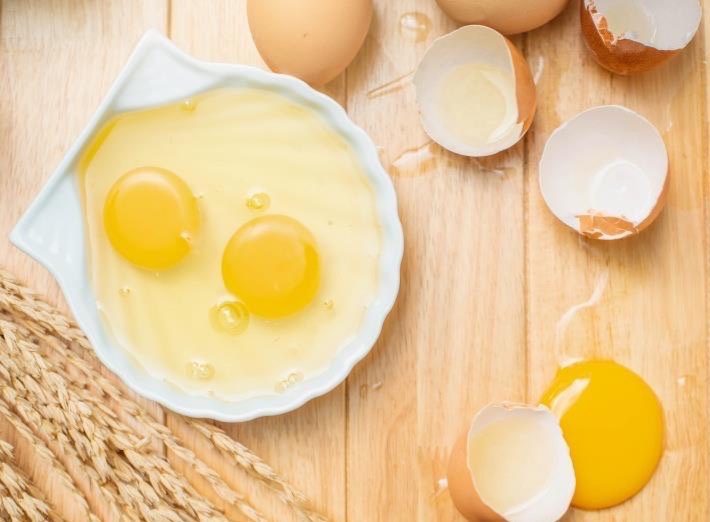
Liquid egg is what you get when eggs are shelled and processed into liquid form; it comes as egg white, egg yolk or whole egg liquid. It is widely used across restaurants and institutional catering (group meal service) - in school lunches, breakfast, desserts and cooked dishes. Because its shelf life is short, however, and because it can be contaminated or blended from eggs of different origins, it has also raised food safety concerns. Industry specialists argue the product itself is not the problem; the issues lie in source control and labeling. Local governments that banned liquid egg did so over labeling, and caterers have said the decision should be respected. Its place in a healthy food supply has come into question, and source management needs a closer look to keep consumers safe.
- Where is liquid egg used?
Baked goods and confectionery (cakes, biscuits)
Noodles and doughs, meat products (ham, sausage), surimi products (fish cake, tempura), frozen foods, dairy products, and fats and oils.
Liquid egg is most commonly used in baking and confectionery, salads, mayonnaise, surimi products, meat products and ice cream manufacturing. In recent years it has also moved into foodservice: many institutional caterers - airline catering operations among them - use liquid egg to avoid the labor of cracking eggs and handling shells, and to reduce the risk of contamination from manual cracking.
- Liquid egg in foodservice today
Liquid egg has drawn close attention in the foodservice sector. Several counties and cities suspended its use in school lunches over concerns about imported eggs, while caterers proposed CAS-certified liquid egg as an alternative. Demand clearly remains, along with a search for substitutes that keep supply stable. Under the ban, caterers pointed out that the restriction also caught liquid egg made from domestically produced eggs. That created real difficulties: cracking shell eggs by hand is time-consuming and carries its own risk of contaminating the food. Caterers are hoping the ban is lifted so they can work more efficiently while keeping food safe.
- The food safety debate around liquid egg
The food safety issue with liquid egg comes down to source control and labeling. Local governments banned it over improper labeling, which raised safety concerns. Caterers respect those decisions, but argue that source management should be reviewed to secure the quality and safety standard of liquid egg. Lin Chin-fu, Deputy Director-General of the Taiwan FDA (Ministry of Health and Welfare), has said that even where eggs from different origins are blended into unpasteurized liquid egg, every country of origin must be declared in descending order of content. If unpasteurized liquid egg is made by blending imported eggs from countries such as Brazil with domestic Taiwanese eggs, for instance, the packaging must clearly state both Brazil and Taiwan. Failure to do so can breach the Act Governing Food Safety and Sanitation, carrying fines from NT$60,000 to NT$2.2 billion.
In short, liquid egg does carry genuine food safety issues, concentrated in source control and labeling. Demand from foodservice operators nonetheless remains, especially in school lunches and institutional catering. Resolving those issues will take government, industry and consumers working together, so that ingredients are safe and labels are accurate and trustworthy.