

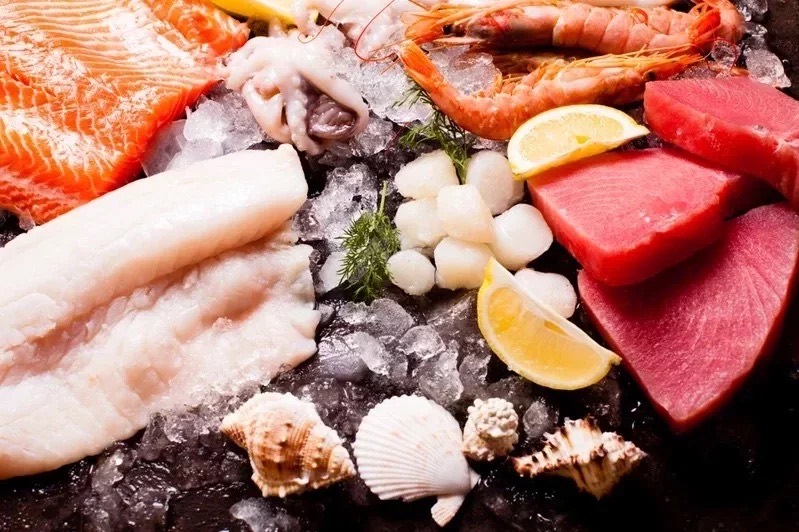
Japanese nuclear waste and nuclear wastewater contamination of seafood refers to the situation at the Fukushima Daiichi Nuclear Power Plant, where the 2011 earthquake and tsunami sent large volumes of radioactive contaminants into the ocean and onto land. In April 2023 the Japanese government began discharging wastewater from Fukushima Daiichi into the Pacific, drawing strong opposition and concern internationally. The Japanese government argues that discharge is the safest and most practical option, on the grounds that the wastewater has been treated and purified repeatedly, removing most radioactive substances and leaving only tritium, a low-toxicity substance. Tritium is a hydrogen isotope that occurs naturally in trace amounts and is also one of the important raw materials used by humans. The Japanese government says tritium poses no risk to human health or the environment.
Discharging the wastewater may nonetheless bring further risks and challenges. First, it could affect marine ecosystems and fisheries production. The ocean contains many microorganisms able to absorb and transform radioactive substances, forming the complex system known as the ocean food web. If those microorganisms are disturbed or poisoned by radioactive material, it may affect the survival and adaptive capacity of larger or more significant organisms. Numerous marine animal deaths and abnormalities were reported shortly after the 2011 Fukushima accident. New or unknown radioactive substances may also emerge after the discharge.
Second, it could affect human health and food safety. People can be exposed to high radiation doses by eating food containing tritium or other radioactive substances. Long-term exposure to high doses, where the body cannot fully clear the radioactive material left in tissue or blood, may raise the risk of cancer, birth defects, genetic mutation and immune system damage. What happens if you ingest tritiated water? Specialists note that tritiated water has a half-life of 12.3 years, and that excessive intake may damage cells, with the greatest harm to developing groups such as fetuses, children and adolescents.
So how should restaurants and institutional caterers view Japanese seafood, and how can they avoid contaminated ingredients? Three measures are worth considering:
- Increase testing and monitoring of Japanese seafood. The Taiwanese government has tightened import controls, requiring all Japanese seafood to carry a radiation test report and be sampled at the port. It has also set up a food safety information website publishing test results for all imported seafood, so consumers can look them up and compare. Restaurants and caterers should give priority to Japanese seafood that has passed testing, and require suppliers to provide test reports and proof of origin to keep food safe.
- Reduce reliance on and consumption of Japanese seafood. China, Hong Kong and others have imposed bans or restrictions on Japanese seafood and shifted to suppliers in other countries and regions. Restaurants and caterers should consider diversifying and localizing their seafood sourcing, reducing demand for and consumption of Japanese seafood to lower both risk and cost. Options include seafood from Taiwan, Southeast Asia and South America; organic or uncontaminated seafood; or other categories such as meat, vegetables and soy products, either as a replacement for Japanese seafood or alongside it.
- Raise standards in handling and cooking Japanese seafood. Some Japanese seafood may carry radioactive substances above the safety standard, and for some the source and chain of custody are unclear, leaving room for falsification or mislabeling. Restaurants and caterers should improve their handling and cooking practices to avoid serving contaminated ingredients - for example by avoiding sashimi, bluefin tuna, flatfish, and shellfish and clams.