


In the current wave of digital transformation, the POS (point of sale) system has become an indispensable operating tool for foodservice. But the sector is varied: chain brands, independent restaurants and night market stalls each face different operating challenges. Traditional POS systems are usually designed for large restaurants or chains, and for a small stall they are complicated to operate and expensive to equip, which does not fit the need.
Recently, vendors have launched POS systems built specifically for small stalls. Dsorder (點溡) is one such tool, designed around what stallholders actually need. Running on a tablet with an intuitive interface, it is easy for operators to pick up, lowering the learning curve while combining front-of-house sales with back-office management to help small foodservice businesses run more efficiently.
What digital transformation means for small foodservice operators
Compared with larger restaurants, small stalls face a different set of operating challenges:
- Limited staff: usually run by one person or a small handful, so cumbersome workflows have to go.
- Limited budget: unlike a large restaurant, there is no capacity to spend heavily on equipment or systems, so the solution has to be cost-effective.
- Flexible operating model: a stall's location and hours may not be fixed, as at night markets or pop-ups, so the system has to be mobile and adapt to different settings.
- Varied payment methods: as mobile payment spreads, customers no longer expect to pay only in cash.
- Simple but effective management: stock, income and expenditure, sales data. The requirements are less complex than a large outlet's, but the operator still needs a clear picture of the business.
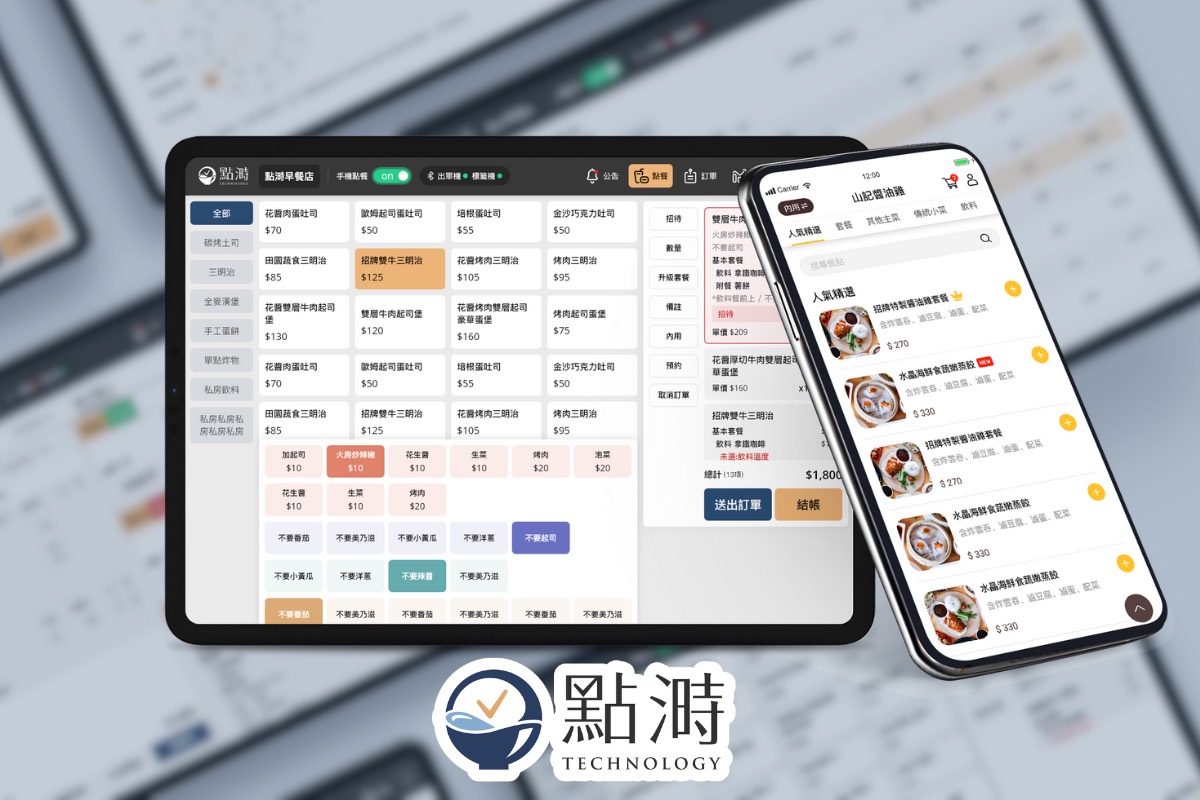
What Dsorder offers
1. Simple to use, quick to learn
An intuitive interface and straightforward operation cut the learning cost, which suits the daily rhythm of a small stall.
2. Front and back office in one, for more efficient management
No switching between systems: an integrated front and back office design makes running and managing the business smoother.
3. Built for how stalls operate, with the functions they need
Covers the core functions a small stall needs, including checkout, inventory, and income and expenditure management. Practical, without the bloat.
4. Multiple payment options for customer convenience
Supports cash along with mobile payment options such as Line Pay, which lifts customer satisfaction.
5. Less labor needed, lower operating cost
QR code ordering and mobile ordering reduce reliance on staff and improve efficiency.
6. Real-time reporting to support business decisions
Real-time reports and sales analysis give the operator an accurate read on sales, and help optimize inventory and promotions.
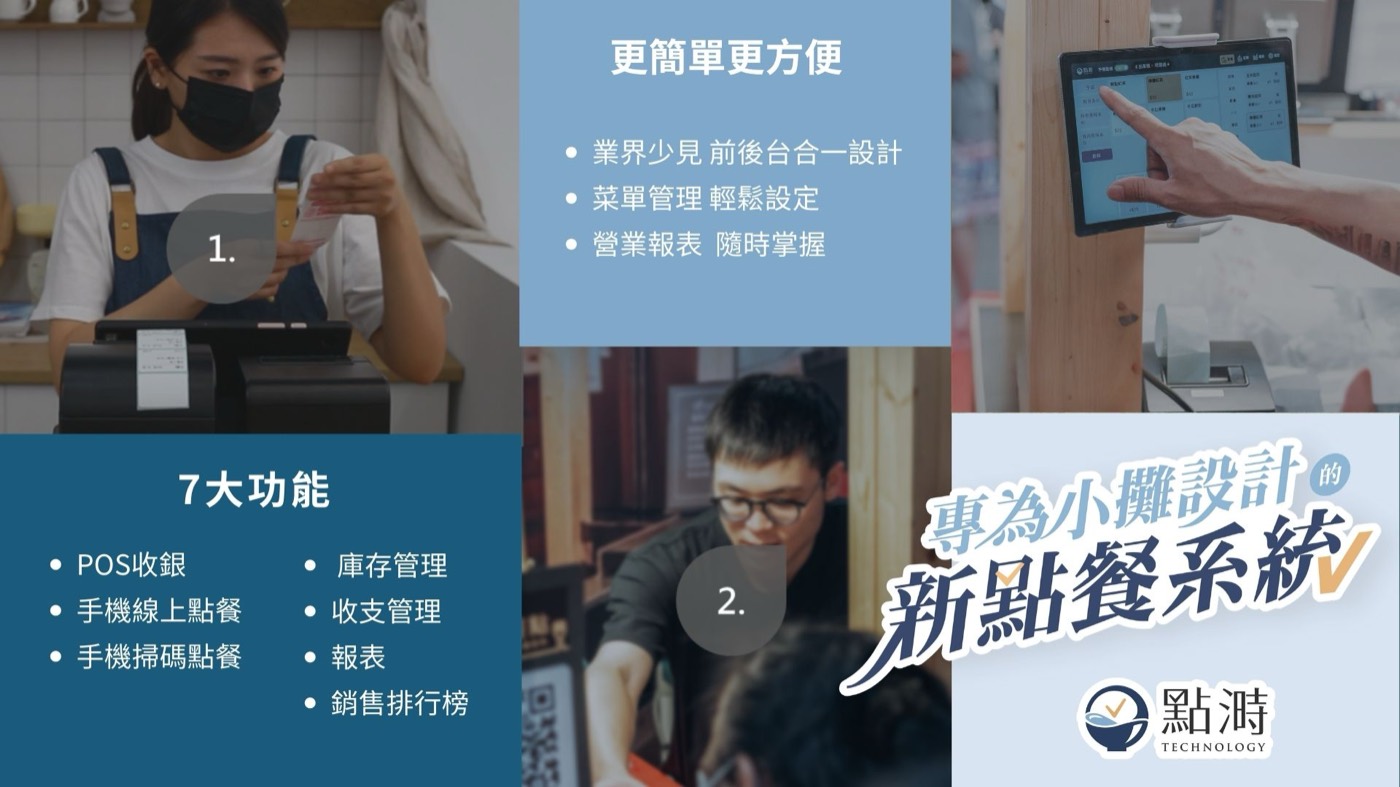
As consumer habits and market demand shift, digitalization is an irreversible trend. With the right digital tools, small foodservice operators can raise their competitiveness, work more efficiently, keep customers happier and grow steadily, toward a more efficient and more sustainable way of running the business.
More information below
Website: https://www.dsorder10.com/
Official Line account: https://lin.ee/oPorHvD