

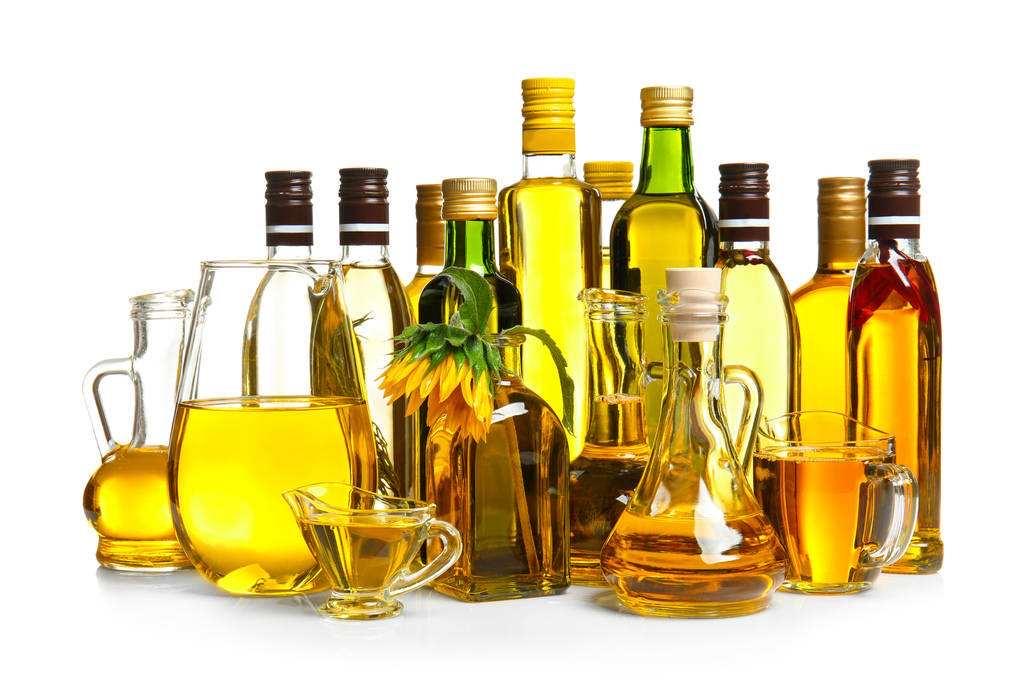
Cooking oil matters for health, and different oils differ in composition, benefit and use. A few things to weigh when choosing:
Oil type: by source and production method, oils divide into animal and vegetable. Animal oils come mainly from livestock and poultry such as cattle, sheep, pigs and ducks, with peanut oil, rapeseed oil and linseed oil given as examples. Animal oils are rich in fatty acids and essential fatty acids and are good for cardiovascular health, though it is worth avoiding excessive intake of high-fat foods to keep cardiovascular disease risk down. Vegetable oils come mainly from natural ingredients such as seeds, fruits and nuts, including corn oil, peanut seed oil and soybean oil. Vegetable oils contain a range of unsaturated fatty acids and antioxidants and help lower blood pressure, blood lipids and inflammation, though it is worth avoiding excessive intake of high-carbohydrate foods to keep obesity and diabetes risk down.
Oil quality: by composition and safety, oils divide into plain, seasoned and functional. Plain oils are natural or blended oils with no added flavoring or preservatives, such as refined peanut seed oil or linseed oil. Plain oils retain more of their natural components and flavor and suit consumers who prefer a natural taste. Seasoned oils are blended or processed oils with flavoring or preservatives added to improve taste or extend shelf life
Choosing an oil
- Variety: different oils have different characteristics, olive oil, sunflower oil and peanut oil among them. Choose with the cooking application, nutritional value and taste in mind.
- Cooking method: smoke point is a key indicator, affecting both cooking accuracy and the taste of the food. Oils suited to high-heat cooking, such as peanut oil, generally have a higher smoke point.
- Health considerations: health awareness is shaping oil choice. Oils with a good fat profile and good stability, such as olive oil, benefit cardiovascular health.
Oil sourcing strategy for restaurants and institutional caterers
- Customer needs: when designing a menu, operators need to consider nutritional requirements and make sure the food is balanced and nutritious. Specific groups, such as vegetarians or people with particular nutritional needs, should be accounted for too.
- Food hygiene and safety: assess food hygiene and safety and make sure oils meet good hygiene practice. That covers cooking performance, storage requirements, source management, and working with reputable manufacturers.
- Cost control and analysis: operators need to balance cost against quality in their oil choices. Negotiating with suppliers and using cost-effective oils keeps costs under control.
- Quality management: caterers should run quality management to ensure the food they serve meets a high standard, testing oils regularly for freshness and acid value to confirm they remain stable and safe.
Oil choice plays a central role in restaurant and institutional catering operations, and calls for a combined view of cooking requirements, consumer health, cost-effectiveness and food safety.